RISMedia
  • News
  • Premier
  • Reports
  • Events
  • Power Broker
  • Newsmakers
  • More
    • Publications
    • Education
No Result
View All Result
  • Agents
  • Brokers
  • Teams
  • Marketing
  • Coaching
  • Technology
  • More
    • Headliners New
    • Luxury
    • Best Practices
    • Consumer
    • National
    • Our Editors
Join Premier
Sign In
RISMedia
  • News
  • Premier
  • Reports
  • Events
  • Power Broker
  • Newsmakers
  • More
    • Publications
    • Education
No Result
View All Result
RISMedia
No Result
View All Result

Living Smart: Radon

Home Consumer
By Angie Hicks
February 1, 2014, 12 am
Reading Time: 2 mins read

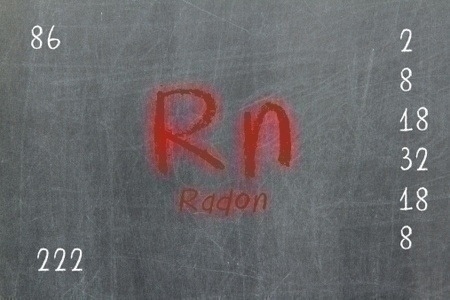
radon_periodic_table(MCT)–There’s a chance your home contains elevated levels of an odorless, colorless radioactive gas that is the country’s second-leading cause of lung cancer.

The culprit? Radon. Experts in its mitigation recommend that homeowners test for it every two years. If you already own a radon-reduction system, it’s a good idea to periodically test that it’s working.

Radon develops underground when uranium and other radioactive elements decay. It can enter your home through cracks and crevices, the water supply, construction joints, gaps in suspended flooring and unsealed spaces around service pipes. All homes are susceptible, especially those with basements and water wells.

The U.S. Environmental Protection Agency says radon causes up to 20,000 lung cancer deaths a year, second only to smoking. Ongoing exposure can also cause asthma, bronchitis, pneumonia and other illnesses. Smokers exposed to radon increase their already significant health risks.

The EPA estimates that one in 15 homes has an elevated radon level. Radon is measured by picocuries per liter of air (pCi/L). A picocurie is one-trillionth of a curie, which has the radioactivity of one gram of radon. The EPA says a typical home has a radon reading of 1.3 pCi/L, with a level of 4 pCi/L or above considered dangerous.

You can test for radon yourself, with kits available at hardware stores for around $10 to $30 or available for free from some local utility companies.

A short-term test occurs over several days. A long-term test runs over three to 12 months, which ultimately can be more accurate and useful, given that radon levels fluctuate over time. Winter is a good time to test, since your house is probably more closed up. Be aware that radon levels can rise if you add insulation or otherwise make your home more airtight.

The most common way to reduce radon is through a system that features a pipe running from the home’s foundation through the roof. It contains a fan that helps pull radon out of the house, and a gauge to measure radon levels. Such systems typically cost $1,500 to $2,500.

When hiring someone to check radon or install a radon mitigation system, be aware that your state may require special licensing or certification.

Angie Hicks is the founder of Angie’s List, a resource for local consumer reviews on everything from home repair to health care.

© 2014, http://www.angieslist.com/
Distributed by MCT Information Services

ShareTweetShare

Related Posts

Forensic Pilot Reveals Widespread MLS Data Violations
Industry News

Forensic Pilot Reveals Widespread MLS Data Violations

April 22, 2026
Fannie Mae, Freddie Mac to Accept New Credit Score Models From Mortgage Applicants
Industry News

Fannie Mae, Freddie Mac to Accept New Credit Score Models From Mortgage Applicants

April 22, 2026
Why a Home Likely Won’t Be Sold If There’s Signs of Mold
Agents

Why a Home Likely Won’t Be Sold If There’s Signs of Mold

April 22, 2026
Natalie Davis
Agents

Natalie Davis on Impacting Community Growth for Keller Williams

April 22, 2026
Sizable Increases Continue for Home Purchase Applications
Industry News

Home-Purchase Application Activity Up This Week

April 22, 2026
eXp
Agents

eXp Tells Investors Proposed Move to Texas Has Nothing to Do With Lawsuits

April 22, 2026
Please login to join discussion
Tip of the Day

3 Ways Agents Can Build Trust in the First Conversation

In today’s market, trust is often the deciding factor in whether a client chooses to move forward with an agent or keep looking. And that trust is usually built, or lost, in the very first conversation. Read more.

Business Tip of the Day provided by

Recent Posts

  • Forensic Pilot Reveals Widespread MLS Data Violations
  • Fannie Mae, Freddie Mac to Accept New Credit Score Models From Mortgage Applicants
  • Why a Home Likely Won’t Be Sold If There’s Signs of Mold

Categories

  • Spotlights
  • Best Practices
  • Advice
  • Marketing
  • Technology
  • Social Media

The Most Important Real Estate News & Events

Click below to receive the latest real estate news and events directly to your inbox.

Sign Up
By signing up, you agree to our TOS and Privacy Policy.

About Blog Our Products Our Team Contact Advertise/Sponsor Media Kit Email Whitelist Terms & Policies ACE Marketing Technologies LLC

© 2026 RISMedia. All Rights Reserved. Design by Real Estate Webmasters.

No Result
View All Result
  • Home
  • Premier
  • Reports
  • News
    • Agents
    • Brokers
    • Teams
    • Consumer
    • Marketing
    • Coaching
    • Technology
    • Headliners New
    • Luxury
    • Best Practices
    • National
    • Our Editors
  • Publications
    • Real Estate Magazine
    • Past Issues
    • Custom Covers
  • Events
    • Upcoming Events
    • Podcasts
    • Event Coverage
  • Education
    • Get Licensed
    • REALTOR® Courses
    • Continuing Education
    • Luxury Designation
    • Real Estate Tools
  • Newsmakers
    • 2026 Newsmakers
    • 2025 Newsmakers
    • 2024 Newsmakers
    • 2023 Newsmakers
    • 2022 Newsmakers
    • 2021 Newsmakers
    • 2020 Newsmakers
    • 2019 Newsmakers
  • Power Broker
    • 2025 Power Broker
    • 2024 Power Broker
    • 2023 Power Broker
    • 2022 Power Broker
    • 2021 Power Broker
    • 2020 Power Broker
    • 2019 Power Broker
  • Join Premier
  • Sign In

© 2026 RISMedia. All Rights Reserved. Design by Real Estate Webmasters.

X